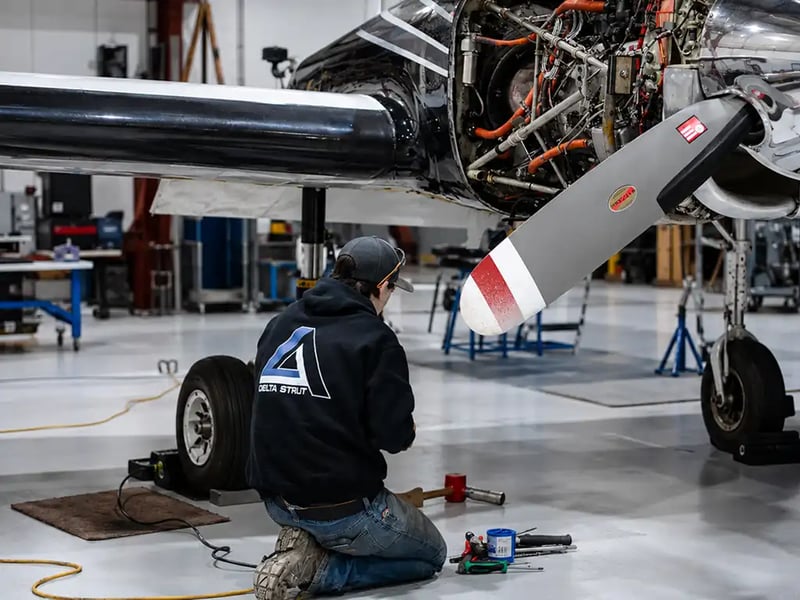
Every successful aviation operation is built on preparation long before the seasons change. The most experienced operators do not wait for winter to expose weak points. They use fall to strengthen the aircraft, protect their schedule, and keep operations moving without interruption.
The difference is not just planning. It is having an aviation partner who helps you stay ahead of problems instead of reacting to them.
We see this play out every year at Kubick Aviation. The owners who call us in September almost always end up with more flexibility, fewer surprises, and a jet that is ready well before the first hard freeze. The ones who wait tend to call us in November asking how fast we can turn something around, and fast is rarely the same as thorough.
Why Do the Pros Actually Plan in Fall?
According to the National Business Aviation Association, flight departments managing jets like the Gulfstream and Dassault Falcon do not wait for winter to show up before they start preparing. Maintenance managers at these operations typically begin winterization work in late summer through September, checking tires and brakes, cleaning and waxing the exterior, and servicing deicing equipment well before the first frost hits.
The people running these programs treat readiness as something you build ahead of time, not something you scramble for once temperatures drop.
That timing isn’t a coincidence, and it isn’t just about the jet’s condition either. It reflects a broader pattern in how the entire industry moves once the season turns, which is exactly what makes acting early such an advantage. It holds whether you are flying a light jet or something considerably larger.
What Fall Timing Actually Protects You From
Waiting until the cold sets in creates problems unrelated to the maintenance work itself. Shops and parts suppliers get busier as temperatures drop, and aircraft that need attention start competing for the same limited slots, so booking in fall means your jet gets worked on when a shop actually has room for it, not squeezed in between everyone else’s last-minute calls.
Parts that would normally arrive in a few days can also take longer once winter-related orders pile up across the industry, particularly on avionics components that already have longer lead times than most people expect.
Weather itself becomes an obstacle too, since freezing temperatures and snow can delay ground handling, complicate test flights, and push a straightforward inspection into a longer ordeal than it needed to be.
None of that is a reason to panic; it is a reason to plan. Professional operators know reliability is not created when the snow starts falling. It is built months earlier through disciplined planning and the right maintenance partner, which is exactly the approach our team builds every fall schedule around.
The Case for Pairing Inspections With Upgrades in the Fall
Fall is also the natural point to combine a scheduled inspection with an avionics upgrade rather than treating them as two separate events months apart. If your jet already needs an annual or a 100-hour inspection before winter, that is the same window where a new navigator, updated flight display, or database refresh can happen without adding a second visit to the shop later.
This kind of bundling matters more on jets than it does on simpler aircraft, since panel work often means opening up areas that overlap with what a thorough inspection should be checking anyway. When we schedule a fall inspection for a jet, checking whether an avionics project can ride along in the same visit is a standard part of that planning conversation, not an afterthought.
Doing both at once, while the aircraft is already down for planned work, tends to reduce downtime rather than adding a second trip to the shop. It also means one consolidated set of records instead of two, which matters later at resale or during a pre-purchase inspection.
Your aircraft is more than an asset on a balance sheet. It is what allows you to serve clients, reach destinations, and keep your operation moving. Keeping it ready isn’t simply about maintenance; it is about protecting everything the aircraft makes possible.
Getting Ahead of Winter Weather Systems
Deicing equipment, anti-ice systems, and the surfaces they protect all deserve a real look before the season that actually tests them. A quick visual check in the hangar tells you far less than a proper inspection does, and finding a problem with an ice protection system in October gives you options that finding it in January simply does not.
The same logic applies to the exterior generally, since a clean, well-protected surface handles deicing fluid, contaminated runways, and repeated freeze-thaw cycles far better than one that went into winter already showing wear.
Ice protection systems and exterior condition get the same attention on every fall inspection our technicians perform, whether an owner specifically asks about them or not. Weather radar and other equipment tied to safe cold-weather flying deserve the same attention.
If any of it has been on your list to address, fall is when it changes how your winter flying goes, rather than being a fix applied after the fact. When your aircraft supports your business, reliability protects more than your schedule. It protects your reputation.
How This Plays Out for Midwest Operators
Winter arrives early and stays late across much of the Midwest, which makes the fall planning window even more valuable here than it might be somewhere with a shorter cold season.
Owners in the region’s coldest parts are working with a narrower margin once lake-effect snow and consistently freezing temperatures set in. So the aircraft that got attention in September is the one still flying comfortably in January, while others are grounded waiting on parts or better weather.
For Midwest operators, planning isn’t just convenient; it is one of the easiest ways to protect your schedule and avoid unnecessary downtime during the busiest months of the year. We see the same pattern season after season: owners who call us early versus those who wait.
Why Owners Trust Kubick Aviation to Get This Timing Right
At Kubick Aviation Services, we believe the best maintenance experience starts long before an aircraft enters the hangar. It starts with planning, communication, and helping owners make confident decisions that keep their aircraft ready when they need it most.
Kubick Aviation has served pilots and aircraft owners throughout the Midwest since 2004. We are an FAA-certified Part 145 repair station and a Garmin-authorized dealer, offering aviation maintenance and inspection services, along with aircraft upgrades for everything from single-engine pistons to light jets and turboprops. That range of experience, paired with more than two decades of Midwest winters, is exactly why we push fall scheduling as hard as we do.
Ready to Get Your Jet Squared Away Before Winter?
Winter will arrive whether your aircraft is ready or not. Scheduling inspections and upgrades this fall gives you the flexibility to complete the work on your timeline, not the season’s.
If you are planning maintenance or considering an avionics upgrade, talk with the Kubick Aviation Services team today. Together, we will build a plan that keeps your aircraft ready, reliable, and prepared for whatever the season brings.